
releases — 26.11.2026
Odio absoluto: La Real Academia, five years after the bedroom
la real academia's first full-length came out on november 13. the same heart as always, with a lot more room to breathe.
by Oriana Dicapua
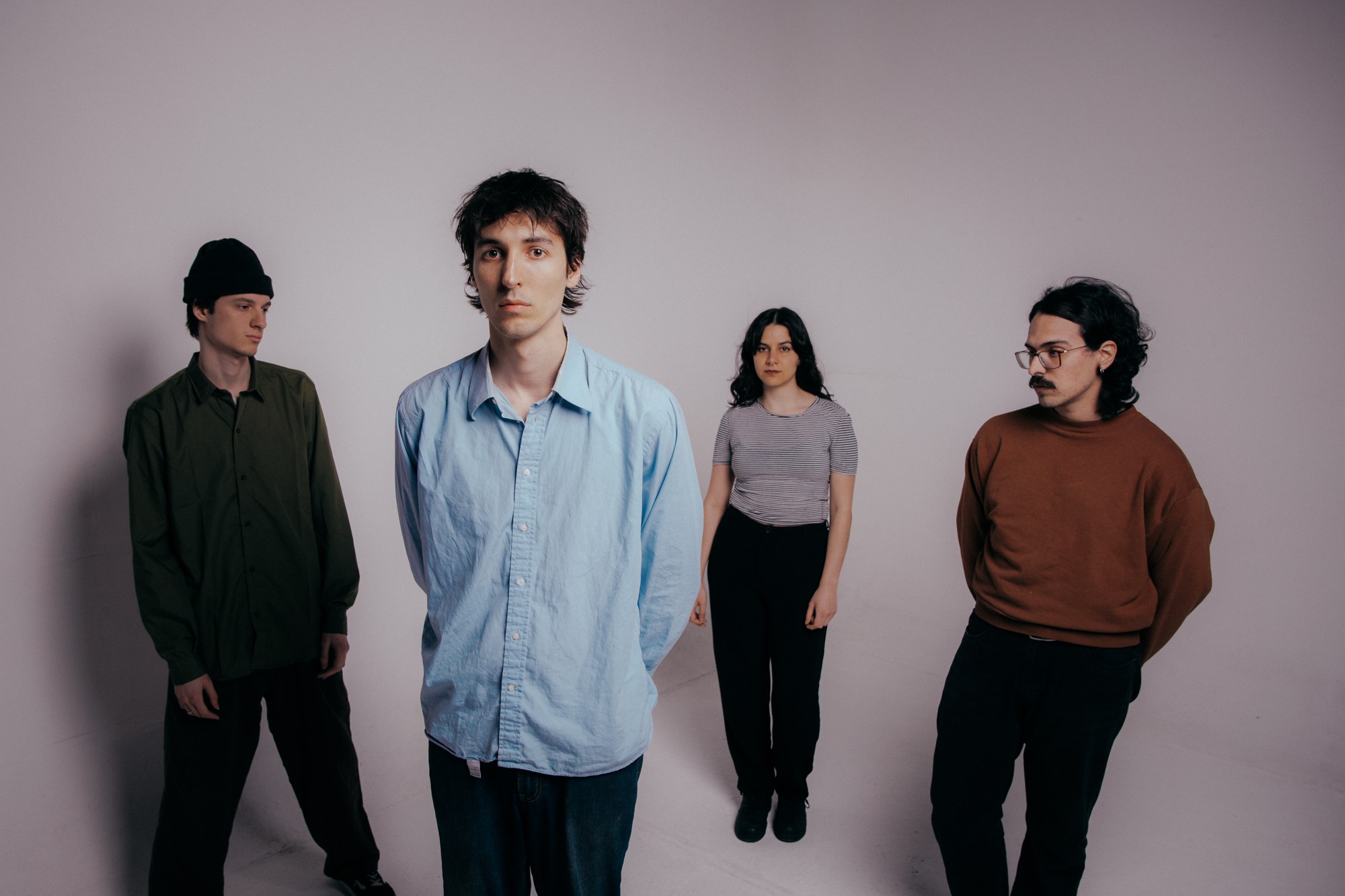
On November 13, after two singles, La Real Academia put out Odio absoluto, their first full-length album. Five years after starting out in a bedroom, it's the same heart as always, with a lot more room to breathe.
I remember it perfectly: La Real Academia was the first band I heard from the scene that came out of the pandemic. Songs made in a bedroom, in full lockdown, that for me were the way into everything that came after. The shows, the friends, a new band every weekend: somehow, it all started there.
Joaquín Murray started the project in early 2020, on his own, writing and recording somewhere between post-punk, bedroom pop and drum machines. Then came Distracciones (2021), Programa (2022) and Casio nuevo (2023), and with them shows in Rosario, Mar del Plata, Chile, Niceto and the Konex.
Listening to this record feels a bit like watching someone you love grow up. In my case that's literal: behind these songs there's someone I watched grow up and who watched me grow up too, someone I went through a lot of the same things with all these years. So, fair warning: this review isn't objective, and it doesn't try to be.
Joaquín says he wanted to take that small, cheap sound from always into a studio with more possibilities: Martín Gorosito's, who recorded, mixed and mastered the album. Ideas that were born on old Casio keyboards now play out on much bigger synths. And you can hear it: the songs still have that bedroom thing, that half-lit confession feel, but now they have room to grow and fill a venue.
There's a whole community behind it, and you can hear that too. Mike Barrenechea (Placard) and Marcos Díaz (Entidad Animada) add guitar textures. Luciano Ranieri (Das Mermas, La Orden Shiitake), Bautista San Martín and Salvador Piuma (Ultra Sombra) bring synths. Patricio Ferreyra plays guitar and Jano Castro plays drums. It's a solo record made among friends, which is the nicest way I know to make one.
These are songs that showed up over the last four years (some even older), inspired by personal things but also political and social ones. They hold fear, despair and anger, but also tenderness, contemplation and love. There's shame, phone calls that cut out, sleepless nights and the urge to stay still so you don't break anything. This is how I heard it, song by song.
Te estoy mirando a los ojos: the awkwardness of the morning after. Having someone in front of you, wanting to get closer and feeling that the closer you get, the farther away they are. I listen to it and think of all the times I chose not to move so I wouldn't ruin anything, with the fantasy that if I stay still, everything will stay as it was.
Nada es tan épico: I hear it as an angry song against everything that asks you to behave, not to make mistakes and not to say too much. That rule of staying quiet so you don't bother anyone. And I love how it ends, because even if they make you feel you went too far, the next day you come back anyway.
No cortes nunca el teléfono: pretending it doesn't hurt. Acting like you're fine with someone who's already gone, sending them a hello that takes everything you have, and hanging on to a call that already ended. To me it's the perfect summary of grief: not even knowing what day it is, feeling free and sad at the same time for being alone.
Quien se anima: a song about competing for something that, when you finally get a taste, tastes like nothing. I read it as a critique of that race to win (in music, in the scene, in life) where in the end nobody wins and you turn into exactly what you didn't want to be.
Algo para hacer: fear at night, cold, damp eating through the wall and the wish for something to happen. And suddenly, a city filling up with bands and shows to go see. To me it's the song of the scene: feeling bad and finding, on any random night, a reason to get up. What we lived these years, told by one of the bands that made it happen.
Diclofenac: my favorite on the album, and the one I find hardest to listen to all the way through. It's about loving someone you feel could break at any moment, who falls apart again every time they seem to be getting better. About not being able to talk to them without getting angry, the terror of them not answering, hoping the day doesn't turn against them. And the urge to numb yourself, to lie down and feel nothing while the hours go by. Few songs capture so well how tiring it is to look after someone it isn't your job to look after, and the temptation to escape so you don't have to feel it.
Corazones: the most contemplative one. The light of a train shining on you, a voice calling you, waiting for someone and leaving at the same time. I hear it as those moments when something tiny, a light or a sound, pulls you out of your head for a second and makes you feel seen.
Cada vez que veo tu cara me quiero morir: a goodbye at the door, insomnia in the early hours, weeks going by and a web you don't know how to get out of. I hear it as the song about staying stuck on someone even when it hurts you, and understanding that sometimes forgetting a face is the only way to be okay.
Odio absoluto is an album to play start to finish, without skipping anything. It's put together the way a life is: with songs you don't fully understand until you hear the one that comes next. It's anger and it's tenderness, sometimes in the same line.
And then, go see them live. Almost nobody has heard most of these songs on a stage yet, and if I learned anything in these five years it's that La Real Academia's songs only fully exist when you sing them with other people next to you.
It's out now on all platforms.
photos: Charlie Riobueno